


In addition to carbon dioxide (CO₂), there are other greenhouse gases, which do not all contribute to the greenhouse effect to the same extent. To make the effects of different greenhouse gases comparable, greenhouse gas emissions are converted into and expressed as CO₂ equivalents. CO₂ equivalents are abbreviated as “CO₂e”.
The greenhouse gases with the greatest climate impact in food production are:
Methane
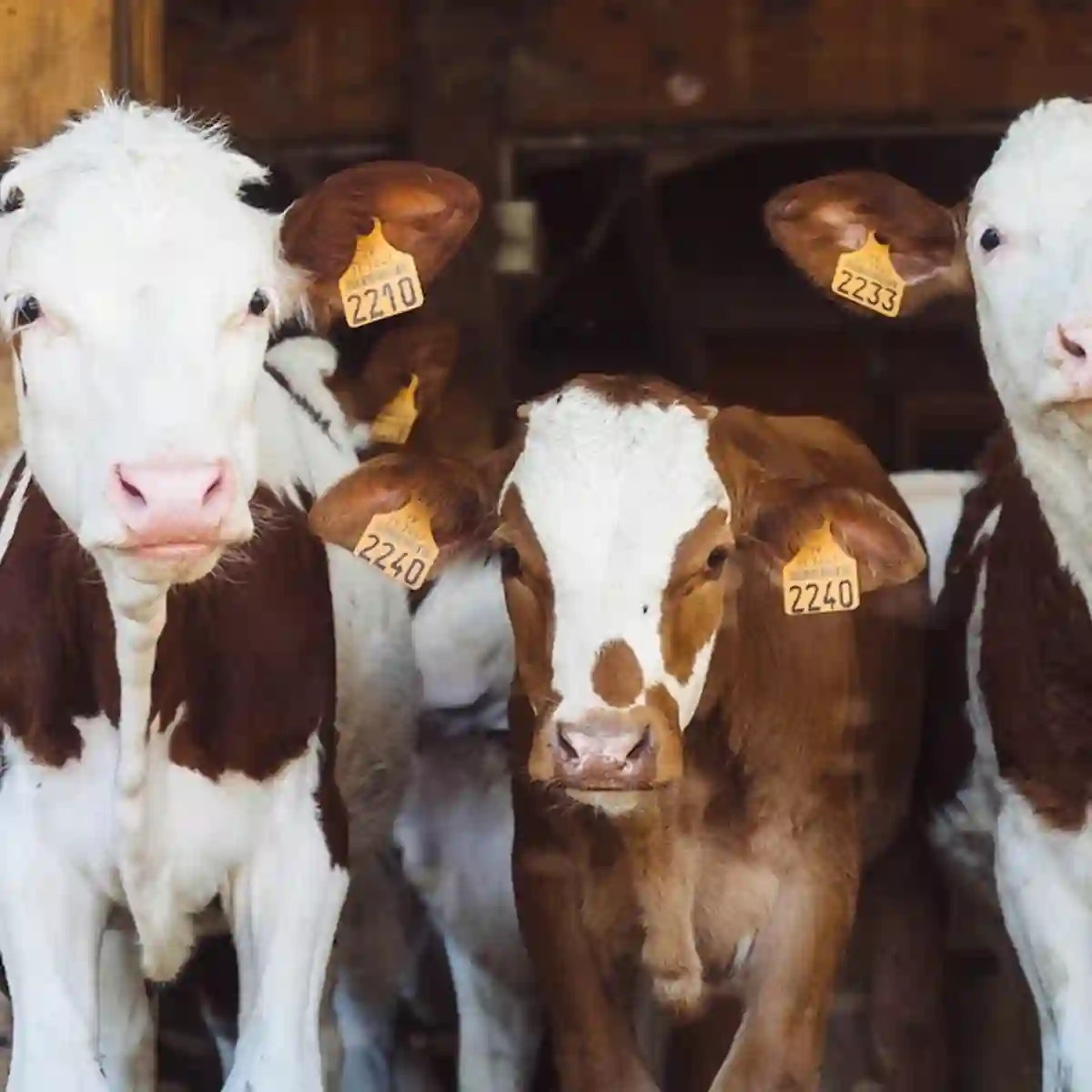
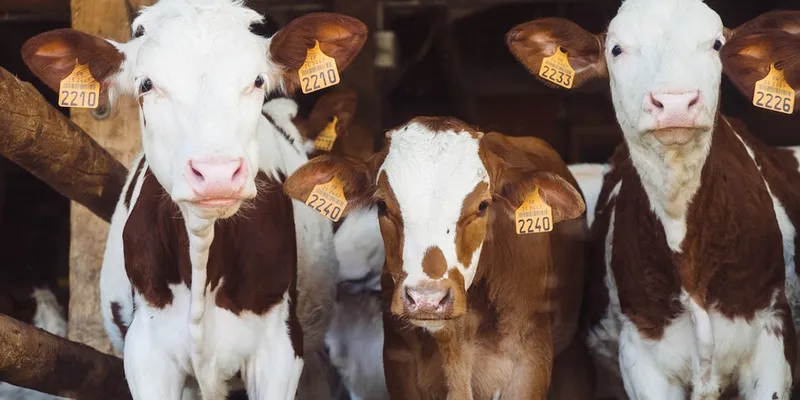
Produced, for example, through livestock farming, and approximately 25 times more harmful to the climate than CO₂.Nitrous oxide
Produced, for example, during the manufacture of synthetic fertilisers, and approximately 300 times more harmful to the climate than CO₂.CO₂
Released during the transport, production, storage and preparation of food.
The energy consumption and greenhouse gas emissions associated with food depend heavily on how it is produced and transported, as well as on the emissions intensity of the food itself. Packaging materials also contribute to the overall climate footprint of food purchases.
Food service businesses have significant opportunities to influence the climate footprint of their culinary offerings. Choosing a low-emission and therefore more climate-friendly range of dishes, such as vegetarian and vegan options, together with a climate-friendly procurement policy that makes greater use of locally sourced, organic and seasonal food, can lead to significant reductions in greenhouse gas emissions.