


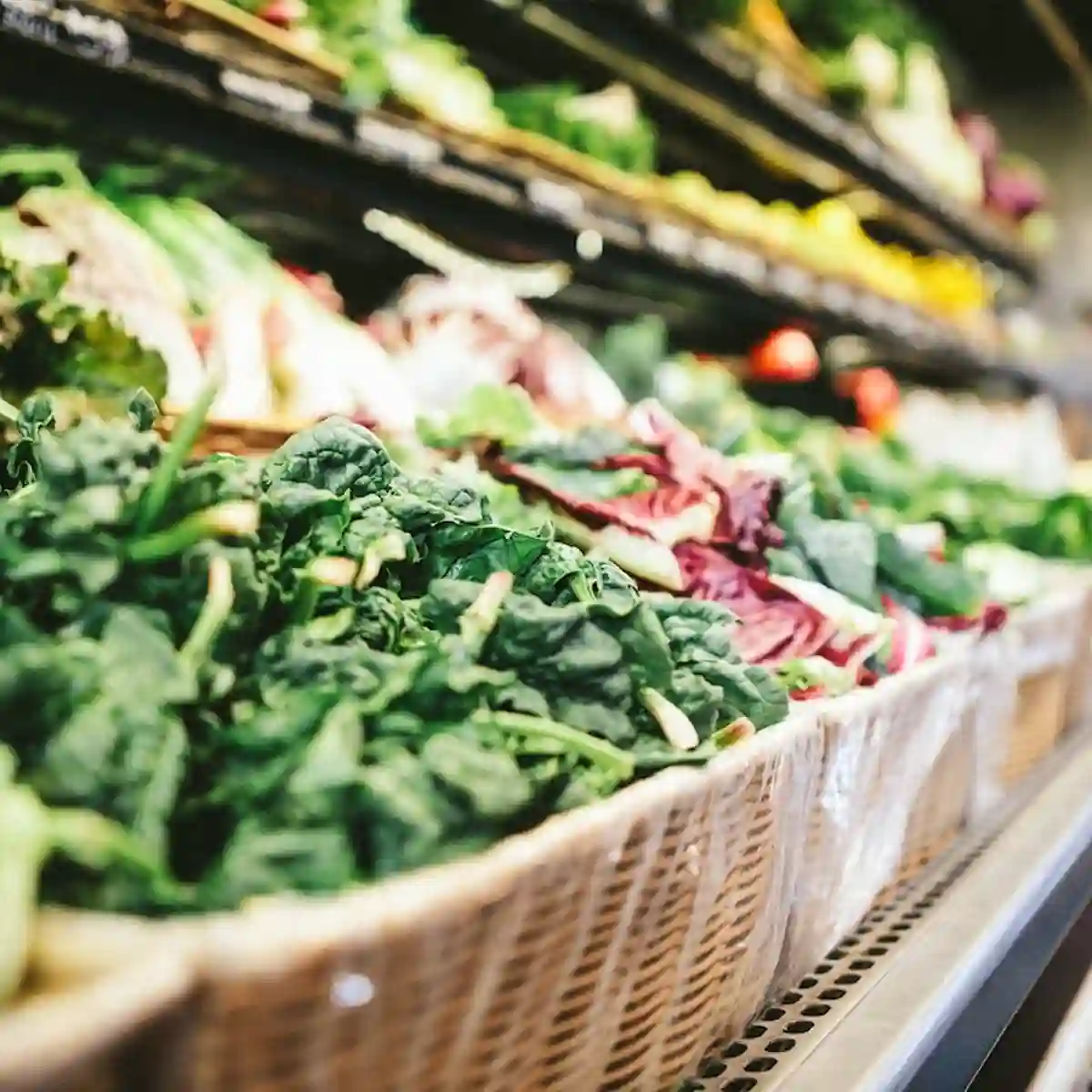
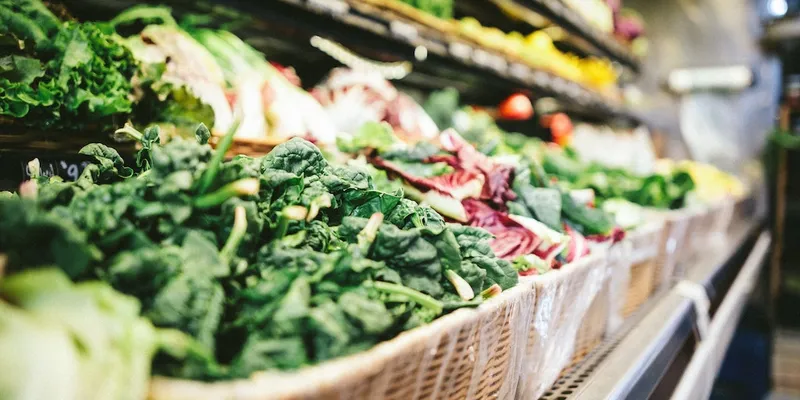
In addition to purchasing locally sourced, seasonal, organic and fairly traded food, other factors also play an important role in sustainable procurement. These include the efficient use of resources – particularly water and energy in food production – as well as the protection of endangered species, especially marine animals and fish.
Increase the share of locally sourced products to reduce transport-related emissions – the closer, the better. Consider establishing local supply chains or even creating your own garden to grow and harvest fresh herbs, for example.
Whenever possible, use seasonal and organically grown products. Guests are increasingly placing value on fresh and healthy food.
Reduce the use of meat, particularly beef, seafood and dairy products, and offer attractive vegetarian and vegan alternatives.
Reduce or avoid packaging materials and, where possible, use larger reusable containers. Work together with your suppliers to minimise packaging waste.
Consider the following three principles when purchasing*:
1. Buy more:
Locally produced food
Potatoes
Free-range eggs
Grains, including pasta
If you serve meat, choose pork, chicken or game
Foods with a long shelf life
2. Buy less:
Beef
Deep-sea fish such as cod, or farmed predatory fish such as salmon
Rice
Out-of-season food
3. Buy as little as possible:
Vegetables grown in conventionally heated greenhouses
Food imported by air freight
Certain species, such as king prawns or lobster
Imported beef
Work with your suppliers towards greater sustainability
Most hospitality businesses work with a range of local and international suppliers. Review their sustainability performance regularly. When selecting suppliers, consider not only price but also environmental, social and cultural factors. In particular, when price differences are small, choose the company with the stronger sustainability performance.
Ask your suppliers about:
Working conditions for employees
Fair trading conditions throughout the supply chain
Policies prohibiting the trade in endangered animal and plant species
A preference for environmentally beneficial products
A preference for fresh, seasonal, organic and locally sourced products
Links
Further Information and tips on climate-friendly hotel kitchens from the "Klimateller" Initiative
*Source: Gössling (2011) Food management in tourism: Reducing tourism’s carbon ‘foodprint’